Evaluating Manufacturers: What to Look for in AS9100 Compliance
Understanding AS9100 and Its Importance in Aerospace Machining
Overview of AS9100 Standards
AS9100 standards represent a comprehensive quality management system tailored specifically for the aerospace industry. This certification encompasses essential requirements for manufacturers and suppliers involved in the aerospace sector, ensuring their processes meet the rigorous demands of safety, reliability, and quality. The framework of AS9100 focuses on enhancing customer satisfaction by consistently delivering products that meet customer and regulatory requirements. Companies that achieve AS9100 certification demonstrate their commitment to quality and continuous improvement in their operations, making them more attractive to potential clients in the competitive aerospace marketplace.
Differences Between AS9100 and ISO 9001
While AS9100 draws many principles from ISO 9001, it includes additional requirements specific to the aerospace industry. ISO 9001 serves as a general framework for quality management applicable across various sectors. In contrast, AS9100 incorporates elements that address safety-critical processes, risk management, and the unique complexities of aerospace manufacturing. For instance, AS9100 mandates a focus on product realization that considers the entire lifecycle of a product, from design through production and delivery. Understanding these differences is crucial for aerospace manufacturers looking to ensure compliance and enhance their competitive edge.
The Role of AS9100 in Quality Assurance and Control
AS9100 serves as a cornerstone for quality assurance and control in aerospace machining. It establishes a standardized approach to managing quality across all stages of the manufacturing process, from initial design to final production. Manufacturers implementing AS9100 standards benefit from systematic risk management practices and robust documentation processes, which mitigate the likelihood of errors and facilitate traceability. This rigorous approach to quality ensures that products not only comply with regulations but also meet AS9100 machining the high expectations of customers in the aerospace industry, including military and commercial sectors.
Key Factors to Evaluate in AS9100 Certified Manufacturers
Management Commitment to Quality and Compliance
Effective management commitment plays a pivotal role in the successful implementation of AS9100 standards. Manufacturers must demonstrate leadership that prioritizes quality and compliance at every organizational level. This commitment often manifests in investment in employee training, resource allocation for quality management systems, and a culture that encourages continuous improvement. Evaluating a manufacturer’s management structure provides insight into their dedication to maintaining AS9100 certification and meeting customer expectations. Strong management not only ensures adherence to quality standards but also drives innovation within the organization, fostering a proactive approach to challenges in the aerospace industry.
Technological Capabilities in CNC Machining
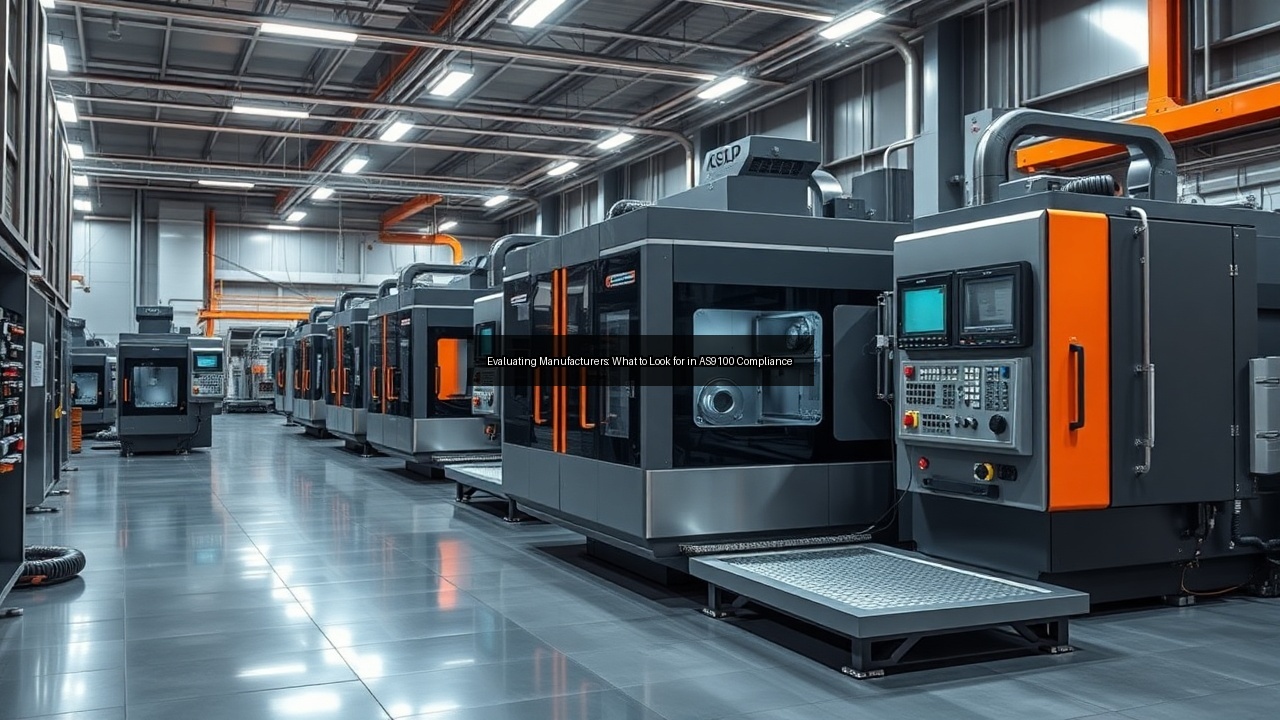
Technological capabilities directly impact a manufacturer’s ability to meet AS9100 standards. CNC machining technologies, such as precision machining of components for turbines, satellites, and aerospace structures, require advanced machinery and skilled personnel. When evaluating an AS9100 certified manufacturer, assess their equipment and capabilities, including their ability to work with various materials like titanium, aluminum alloys, and stainless steel. The use of cutting-edge technologies, such as automation and robotics, can enhance precision and efficiency in machining operations. A manufacturer’s investment in technology often correlates with their commitment to delivering high-quality products that comply with stringent aerospace standards. aerospace AS9100 machining
Expertise in Aerospace Manufacturing and Design
Expertise in aerospace manufacturing and design is essential for AS9100 compliance. Manufacturers must possess a thorough understanding of aerospace regulations, design requirements, and production processes unique to the industry. This expertise ensures that products are not only compliant with AS9100 but also meet the specific needs of customers in the aerospace sector. Evaluating a manufacturer’s past projects, industry experience, and technical capabilities can provide insights into their proficiency in aerospace machining. Companies that demonstrate a robust portfolio of successful aerospace projects signal their ability to handle complex manufacturing tasks and adapt to evolving industry demands.
Materials and Technologies in AS9100 Compliance
Machining with Titanium, Aluminum Alloys, and Steel
Machining materials like titanium, aluminum alloys, and steel requires specialized knowledge and equipment. AS9100 certified manufacturers must demonstrate their capability to work with these materials while maintaining compliance with quality standards. Titanium, known for its strength-to-weight ratio, plays a crucial role in aerospace applications, particularly in components requiring high performance under extreme conditions. Aluminum alloys offer lightweight options, making them ideal for aircraft structures. Steel, often used for its durability and resistance to wear, is critical in various aerospace applications. Assessing a manufacturer’s proficiency in machining these materials provides insight into their ability to produce components that meet the rigorous demands of the aerospace industry.
The Importance of ITAR Compliance in Aerospace
International Traffic in Arms Regulations (ITAR) compliance is essential for manufacturers involved in aerospace machining, particularly those supplying military applications. ITAR governs the export and import of defense-related articles and services, ensuring sensitive technologies are protected. AS9100 certified manufacturers must not only comply with AS9100 standards but also adhere to ITAR regulations, which can significantly impact supply chain operations. Evaluating a manufacturer’s ITAR compliance status provides assurance that they can handle sensitive projects responsibly and maintain security throughout the manufacturing process. This compliance enhances credibility and trust among customers in the aerospace and defense sectors.
Innovative Manufacturing Technologies in Aerospace
Innovation drives progress in aerospace machining, and AS9100 certified manufacturers must embrace new technologies to remain competitive. Advanced manufacturing technologies, such as additive manufacturing (3D printing), have revolutionized the production of complex aerospace components. These technologies enable manufacturers to create lightweight, strong parts while reducing waste and production time. The integration of smart manufacturing practices, including the Internet of Things (IoT) and data analytics, enhances process efficiency and quality control. Evaluating a manufacturer’s commitment to innovation reveals their readiness to adapt to changing industry trends and customer demands, positioning them for success in the dynamic aerospace market.
Assessing Manufacturer Performance and Supply Chain Integration
Evaluating Leadership and Team Competence
Leadership and team competence significantly influence a manufacturer’s performance in AS9100 compliance. Strong leadership fosters a culture of quality and accountability, which is crucial for maintaining high standards throughout the manufacturing process. Assessing the qualifications and experience of key personnel within the organization provides insights into their ability to manage complex projects and navigate industry regulations. A competent team with diverse skills in engineering, machining, and quality control enhances a manufacturer’s capability to deliver superior products. Manufacturers that prioritize leadership development and team training demonstrate a commitment to continuous improvement, ultimately benefiting their customers in the aerospace industry.
Quality Control Processes in Aerospace Machining
Quality control processes form the backbone of AS9100 compliance in aerospace machining. Effective quality control includes rigorous inspections, testing procedures, and documentation practices that ensure products meet specified requirements. Manufacturers should implement statistical process control (SPC) and other methodologies to monitor production processes and identify potential issues before they escalate. A robust AS9100 machining quality management system not only enhances product reliability but also instills confidence in customers. Evaluating a manufacturer’s quality control processes provides valuable insights into their commitment to excellence and their ability to deliver products that meet the high standards of the aerospace industry.
Collaboration with Customers and Stakeholders
Collaboration with customers and stakeholders enhances a manufacturer’s ability to meet AS9100 standards. Effective communication and partnership with clients ensure that their needs are understood and addressed throughout the production process. Involving stakeholders early in the design and manufacturing phases fosters innovation and improves product outcomes. AS9100 certified manufacturers should actively seek feedback from customers and incorporate it into their quality management practices. This collaborative approach not only strengthens relationships but also drives continuous improvement, aligning the manufacturer’s goals with those of their customers in the aerospace sector.